 040 68334455
 WhatsApp
 Patient Portal
 Home Care
Rickets: Symptoms, Causes, and Treatments
Written by Medicover Team and Medically Reviewed by Dr R Suneel , Orthopedic
Rickets is a childhood bone disorder caused primarily by vitamin D deficiency, calcium, or phosphate shortages. This condition leads to soft, weak bones and skeletal deformities, affecting overall pediatric bone health.
Early diagnosis and treatment are crucial for preventing growth delays and long-term complications associated with bone mineral deficiency.
What are the Symptoms and Warning Signs of Rickets?
Ricket symptoms vary but often include signs related to weakened bones and developmental delays, aiding in the early detection of this metabolic bone disease.
Common Symptoms
- Slow or delayed bone growth
- Bone tenderness or persistent pain
- Muscle weakness impacts mobility
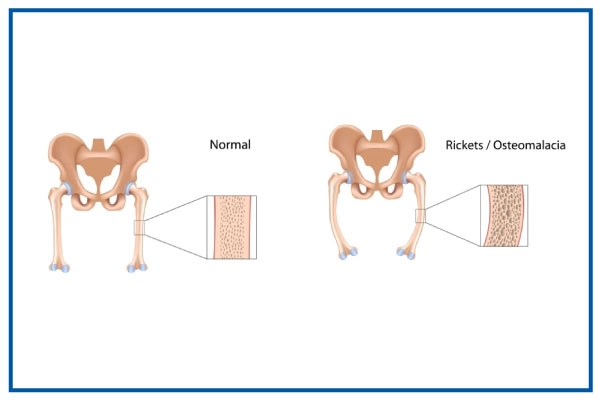
- Bowed or curved legs are typical in nutritional rickets
- Enlarged forehead or protuberant abdomen
- Soft, fragile bones prone to fractures
- Widened wrist and ankle joints
- Dental problems such as delayed tooth eruption or cavities
Severe Symptoms
- Muscle cramps or spasms due to calcium deficiency
- Seizures from low blood calcium
- Breathing difficulties caused by chest deformities
What are the Common Causes and Risk Factors of Rickets?
Rickets are mainly caused by insufficient vitamin D synthesis or inadequate mineral intake, but genetics can also play a role.
Causes
- Inadequate vitamin D production from limited sun exposure
- Poor dietary intake of calcium or phosphate-rich foods
- Genetic disorders affecting vitamin D metabolism or phosphate absorption
Risk Factors
- Dark skin pigmentation reduces vitamin D synthesis from sunlight
- Living in regions with limited sunlight, such as northern or colder climates
- Exclusive breastfeeding without vitamin D supplementation in infants
- Spending excessive time indoors, limiting UV exposure
- Diets low in vitamin D-rich and calcium-rich foods
Get a second opinion from trusted experts and makeconfident, informed decisions.
Get Second OpinionHow is Rickets Diagnosed?
Accurate diagnosis of rickets requires a combination of clinical examination, biochemical tests, and imaging to assess bone health and mineral levels.
- Physical examination focusing on bone deformities in the legs, skull, chest, wrists, and ankles
- Blood tests measuring serum calcium, phosphate, parathyroid hormone, and alkaline phosphatase
- Urine analysis to check calcium excretion patterns
- X-rays to detect characteristic bone deformities and growth plate changes
- Bone densitometry (DEXA scan) to evaluate bone mineral density in severe or chronic cases
- Bone biopsy is rarely needed for complex cases
What are the Treatment Options for Rickets?
Treatment focuses on replenishing deficient nutrients and supporting bone repair to restore normal growth and function.
- Vitamin D supplementation customized to the child's deficiency level
- Calcium supplements and dietary counseling to increase intake of dairy, fish, eggs, and fortified cereals
- Safe, controlled sun exposure to stimulate natural vitamin D production
- Use of orthopedic braces to correct bone deformities as the child grows
- Surgical correction for severe skeletal abnormalities
- Specialized treatment for genetic or phosphate-related rickets with active vitamin D analogs and phosphate supplements
When to See a Doctor?
Medical consultation is crucial when a child presents with:
- Persistent bone pain or visible deformities such as bowed legs
- Muscle weakness, cramps, or spasms
- Seizures or respiratory difficulties indicating a severe mineral imbalance
- Delayed growth milestones or poor physical development
High-risk groups, such as children with dark skin, those living in low sunlight areas, or exclusively breastfed infants, should have regular check-ups for early detection.
Your health is everything - prioritize your well-being today.
 Consult Rickets Doctors Today
What is the Recovery Process After Rickets Treatment?
Recovery depends on early intervention and adherence to treatment.
- Scheduled follow-ups to monitor biochemical markers and bone healing progress
- Continue vitamin D and calcium intake as recommended by healthcare providers
- Balanced diet to support ongoing bone mineralization and healthy growth
- Most children experience improved bone strength and posture with proper care
- Without treatment, permanent skeletal deformities or growth issues may occur
What Precautions Can Help Prevent Rickets?
Prevention
- Encourage regular, safe exposure to sunlight to boost vitamin D levels naturally
- Ensure a diet rich in calcium and vitamin D, including dairy products, oily fish, and fortified foods
- Use supplements only under medical guidance to avoid toxicity
- Schedule routine pediatric screenings for children at risk
Complications If Untreated
- Permanent bone deformities such as bowed legs and chest abnormalities
- Increased risk of fractures and delayed growth
- Dental hypoplasia and cavities
- Respiratory and cardiovascular complications due to skeletal abnormalities
Our Experience Treating Rickets
At Medicover, we understand how much rickets can affect a child's growth and development. Our expert team uses advanced tests and individual care to treat vitamin D deficiency and bone problems, helping children regain strong, healthy bones.
Do's and Don'ts
Increasing vitamin D, calcium, and phosphate levels will help treat rickets. Many children with rickets show improvement within one week. If this condition is treated during young age, bone deformities often heal or disappear over time. On the other hand, skeletal anomalies may become permanent if not corrected throughout a child's development.
| Do's | Don'ts |
|---|---|
|
Increase intake of dairy products. |
Avoid any new and sudden symptoms. |
|
Make sure women have good vitamin D levels during pregnancy. |
Avoid medications prescribed by the doctor. |
|
Encourage kids to exercise and eat calcium-rich foods. |
Avoid taking the diet prescribed by the doctor. |
|
Make sure kids get enough vitamin D. |
Start self-medicating without consulting the doctor. |
Citations
https://www.nhs.uk/conditions/rickets-and-osteomalacia/


