 040 68334455
 WhatsApp
 Patient Portal
 Home Care
Best Nontoxic Multinodular Goiter Doctors in India

Dr Madhavi Verpula

Dr Lakshmi Nalini Kopalle

Dr Kurumeti Vamsi Krishna

Dr Kandala Sindhuja Reddy

Dr Surendra Prasad G

Dr Shruthi R

Dr Sadiq Yunus Mulla

Dr Prashant Gaikwad

Dr Girija Kalyani Pappala
Importance of Nontoxic Multinodular Goiter Specialist in Treatment
Nontoxic multinodular goiter is a condition where the thyroid gland becomes enlarged due to multiple nodules without causing overproduction of thyroid hormones. It is commonly seen in regions with iodine deficiency.
Why to Choose Nontoxic Multinodular Goiter Specialists at Medicover Hospitals in India
Early diagnosis is crucial to prevent further enlargement, which can cause compression of the airway and difficulty swallowing. Medicover Hospitals provides thorough evaluation and treatment options, including medication and, when necessary, surgical intervention to restore normal thyroid function.

Why Choose Our Doctors?
- Our doctors are experts in their fields and have years of experience.
- We provide top-tier medical infrastructure and technology.
- Easy booking options for both virtual and in-person consultations.
- Insurance & Cashless Payment Support
- Emergency & 24/7 Care
- Compassionate & Patient-Centered Approach
- Multi-Disciplinary Expertise (Collaboration between specialists ensures comprehensive treatment plans).
Our Hospitals Near You
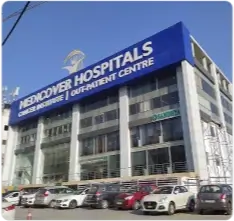
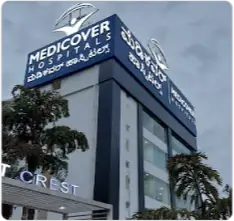
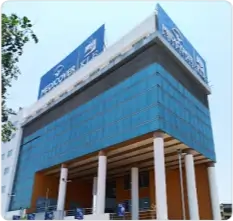
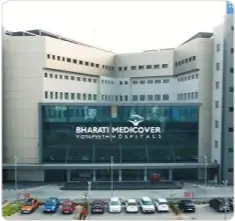
Popular Searches
Frequently Asked Questions
Early indicators of Nontoxic Multinodular Goiter include neck swelling, difficulty swallowing, hoarseness, and breathing problems. Regular monitoring by a healthcare provider is crucial for timely diagnosis and management.
Patients can manage Nontoxic Multinodular Goiter through regular monitoring, thyroid hormone therapy, dietary iodine intake control, and surgical intervention if necessary to prevent progression.
Endocrinologists may also manage conditions like thyroid nodules, Hashimoto's thyroiditis, and Graves' disease alongside Nontoxic Multinodular Goiter. Comprehensive care ensures optimal thyroid health.
Standard treatment options for Nontoxic Multinodular Goiter include observation, medication to shrink nodules, and surgery if nodules are causing symptoms or concerns about cancer risk. Consult a specialist for personalized care.


Feeling unwell?
Request a callback!
