 040 68334455
 WhatsApp
 Patient Portal
 Home Care
Best Lithium Toxicity Doctors in India

Dr Velupuri J Ch Prakash

Dr T V Sunil Yadav

Dr Abhijit Sawant

Dr Madireddi M P Kumar

Dr Kakumani Satish

Dr M N Prakash

Dr V Chittaranjan Naidu

Dr Kushal kumar A

Dr Sajal Rajkumar Mahajan

Dr E Vijay Prem Raj

Dr Subanesh Thiruppathi

Dr B Sindhura Reddy

Dr Avinash Prabhakar Kachare

Dr Vaddi Viswanath Satyanarayana

Dr Nayan Sriramula

Dr Kiran Kumar

Dr Varun Koushik Nanna

Dr Akhilesh Omprakash Somani

Dr Dinesh Reddy N

Dr Ilakkhiya Priya V A

Dr Voduri Narasimha Murthy Naidu

Dr Anumalla Phani Krishna

Dr Bala Surya Prakash Kota

Dr V Raja Ram Naidu

Dr Allam Venkatesh

Dr Geela Srawan Kumar

Dr Architha A K
Dr Chalasani Naren Chand

Dr N Hari Krishna Reddy

Dr Sushma Priyanka Tangella

Dr Gorle Prudhvi Chand

Dr Vemula Sathyanarayana

Dr Rahul Gundem

Dr Tilak Kumar Kommineni
Importance of Lithium Toxicity Specialist in Treatment
Lithium toxicity occurs when lithium levels in the blood become too high, often due to medication overdose or dehydration, leading to symptoms like tremors or confusion . Early diagnosis is crucial to prevent life-threatening complications. Treatment includes stopping lithium and administering fluids. Early intervention helps restore safe lithium levels and prevents further health issues.
Why to Choose Lithium Toxicity Specialists at Medicover Hospitals in India
Medicover Hospital provides toxicologists and psychiatrists who specialize in managing lithium toxicity. Treatments include stopping lithium, administering fluids, and close monitoring to restore safe lithium levels.

Why Choose Our Doctors?
- Our doctors are experts in their fields and have years of experience.
- We provide top-tier medical infrastructure and technology.
- Easy booking options for both virtual and in-person consultations.
- Insurance & Cashless Payment Support
- Emergency & 24/7 Care
- Compassionate & Patient-Centered Approach
- Multi-Disciplinary Expertise (Collaboration between specialists ensures comprehensive treatment plans).
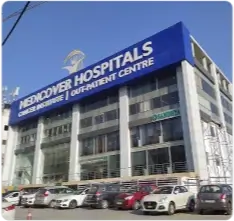
Our Hospitals Near You



Popular Searches
Frequently Asked Questions
Early indicators of Lithium Toxicity include nausea, vomiting, diarrhea, tremors, confusion, drowsiness, and muscle weakness. Seek immediate medical attention if experiencing these symptoms.
To manage Lithium Toxicity and control its progression, patients should seek immediate medical attention, stop taking lithium, stay hydrated, and follow treatment recommended by healthcare provide Rs. Regular monitoring is crucial.
Specialists treating Lithium Toxicity often encounter symptoms like nausea, vomiting, diarrhea, tremors, confusion, and even seizures., making prompt medical intervention essential.
Treatment for Lithium Toxicity may include stopping lithium intake, intravenous fluids, dialysis, and supportive care. Consult a healthcare provider promptly for proper management.


Feeling unwell?
Request a callback!
