 040 68334455
 WhatsApp
 Patient Portal
 Home Care
Experienced Hypothermia Doctors in India

Dr Velupuri J Ch Prakash

Dr T V Sunil Yadav

Dr Abhijit Sawant

Dr Madireddi M P Kumar

Dr Kakumani Satish

Dr M N Prakash

Dr V Chittaranjan Naidu

Dr Kushal kumar A

Dr Sajal Rajkumar Mahajan

Dr E Vijay Prem Raj

Dr Subanesh Thiruppathi

Dr B Sindhura Reddy

Dr Avinash Prabhakar Kachare

Dr Vaddi Viswanath Satyanarayana

Dr Nayan Sriramula

Dr Kiran Kumar

Dr Varun Koushik Nanna

Dr Akhilesh Omprakash Somani

Dr Dinesh Reddy N

Dr Ilakkhiya Priya V A

Dr Voduri Narasimha Murthy Naidu

Dr Anumalla Phani Krishna

Dr Bala Surya Prakash Kota

Dr V Raja Ram Naidu

Dr Allam Venkatesh

Dr Geela Srawan Kumar

Dr Architha A K
Dr Chalasani Naren Chand

Dr N Hari Krishna Reddy

Dr Sushma Priyanka Tangella

Dr Gorle Prudhvi Chand

Dr Vemula Sathyanarayana

Dr Rahul Gundem

Dr Tilak Kumar Kommineni
Importance of Hypothermia Specialist in Treatment
When it comes to treating Hypothermia, disease specialists play a crucial role in providing specialized care to patients facing this potentially life-threatening condition. These specialists possess the expertise and experience needed to accurately diagnose and effectively manage Hypothermia, ensuring that patients receive the best possible treatment tailored to their specific needs. By working closely with these specialists, patients with Hypothermia can benefit from individualized care plans that address their unique medical requirements, leading to improved outcomes and a higher chance of recovery. Disease specialists bring a wealth of knowledge and skills to the table, enabling them to navigate the complexities of Hypothermia treatment with precision and compassion. Specialists approach the treatment of Hypothermia with a focus on restoring the body's core temperature to a safe level while addressing any underlying medical issues that may have contributed to the condition. By employing advanced therapeutic techniques and closely monitoring the patient's vital signs, specialists can ensure that the treatment is both effective and tailored to the individual's specific circumstances. This personalized approach not only enhances patient outcomes but also helps to minimize the risk of complications and optimize recovery. By working collaboratively with a team of healthcare professionals, disease specialists can provide comprehensive care that addresses all aspects of the patient's well-being, promoting a faster and more successful recovery process.
Why to Choose Hypothermia Specialists at Medicover Hospitals in India
If you are battling with Hypothermia, then Medicover Hospitals is your ideal choice for effective treatment. Boasting a team of highly skilled specialists with extensive experience and knowledge in managing hypothermia cases, Medicover offers a comprehensive range of treatment options designed to meet the unique needs of every patient. The hospital's dedicated experts leverage advanced diagnostic tools and cutting-edge treatment methods to ensure patients receive the highest quality care and the best possible results. At Medicover, the well-being of patients is the top priority, which is reflected in their strong reputation for exceptional patient care. Numerous success stories from patients who have overcome hypothermia under the hospital's care further underline Medicover's capability and commitment to addressing this serious medical condition. When it comes to Hypothermia treatment, Medicover Hospitals have proven time and again that they are a trusted choice. Their unique blend of expertise, comprehensive care and proven success in handling hypothermia cases make them stand out in the medical field.

Why Choose Our Doctors?
- Our doctors are experts in their fields and have years of experience.
- We provide top-tier medical infrastructure and technology.
- Easy booking options for both virtual and in-person consultations.
- Insurance & Cashless Payment Support
- Emergency & 24/7 Care
- Compassionate & Patient-Centered Approach
- Multi-Disciplinary Expertise (Collaboration between specialists ensures comprehensive treatment plans).
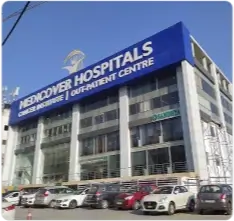
Our Hospitals Near You



Popular Searches
Still have questions? Speak with our experts now!
040-68334455Frequently Asked Questions
Early indicators of Hypothermia include intense shivering, confusion, fatigue, loss of coordination, and slurred speech. If you experience these symptoms, seek immediate medical attention.
To manage Hypothermia progression, patients should seek immediate medical help, stay warm with layers and avoid strenuous activities. It's crucial to maintain hydration and nourishment for body heat production.
Hypothermia often co-exists with conditions like cardiovascular diseases, diabetes, and underactive thyroid. These health issues can increase the risk of hypothermia by affecting the body's ability to regulate temperature.
Primary treatments for Hypothermia include rewarming techniques, such as passive external, active external, and active internal rewarming. Medication may also be administered to manage symptoms.


Feeling unwell?
Request a callback!
