 040 68334455
 WhatsApp
 Patient Portal
 Home Care
Top Blue Rubber Bleb Nevus Syndrome Specialists in India









- Exp: 3+ Yrs
Importance of Blue Rubber Bleb Nevus Syndrome Specialist in Treatment
Blue Rubber Bleb Nevus Syndrome (BRBNS) is a rare vascular disorder that requires specialized medical care from disease specialists. These specialists play a crucial role in the accurate diagnosis and management of BRBNS, ensuring that patients receive the most effective treatment tailored to their specific needs. Given the complexity of this condition, disease specialists possess the expertise and experience necessary to navigate the intricacies of BRBNS, providing patients with comprehensive care that addresses both the physical and emotional aspects of their health. Patients with BRBNS can benefit significantly from the specialized knowledge and skills of disease specialists, who are well-equipped to monitor the progression of the syndrome, alleviate symptoms, and improve the overall quality of life for individuals living with this rare disorder. Disease specialists approach the treatment of Blue Rubber Bleb Nevus Syndrome with a multidisciplinary strategy that emphasizes personalized care and patient-centered outcomes. By collaborating with a team of healthcare professionals, including dermatologists , gastroenterologists , and surgeons, disease specialists can develop individualized treatment plans that address the specific needs and concerns of each patient. This holistic approach not only enhances the effectiveness of treatment but also ensures a high standard of care that prioritizes the well-being of patients with BRBNS. Through ongoing monitoring, timely interventions, and patient education, disease specialists strive to optimize patient outcomes and empower individuals to better manage their condition. By combining expertise with compassion, disease specialists play a vital role in supporting patients with BRBNS on their journey to improved health and well-being.
Why to Choose Blue Rubber Bleb Nevus Syndrome Specialists at Medicover Hospitals in India
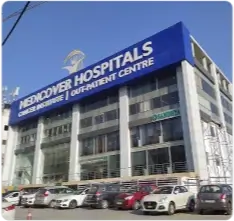
Patients diagnosed with Blue Rubber Bleb Nevus Syndrome can confidently choose Medicover Hospitals for their treatment due to the exceptional expertise of their specialized medical team and the wide array of cutting-edge treatments available. The hospital boasts highly skilled specialists who are well-versed in managing rare conditions like Blue Rubber Bleb Nevus Syndrome, ensuring that patients receive the most advanced and effective care possible. Medicover Hospitals have built a strong reputation for providing unparalleled patient care, offering a compassionate and supportive environment for individuals navigating complex medical conditions. With a proven track record of successfully managing Blue Rubber Bleb Nevus Syndrome cases, patients can trust that they are in capable hands at Medicover Hospitals.

Why Choose Our Doctors?
- Our doctors are experts in their fields and have years of experience.
- We provide top-tier medical infrastructure and technology.
- Easy booking options for both virtual and in-person consultations.
- Insurance & Cashless Payment Support
- Emergency & 24/7 Care
- Compassionate & Patient-Centered Approach
- Multi-Disciplinary Expertise (Collaboration between specialists ensures comprehensive treatment plans).
Our Hospitals Near You



Popular Searches
Still have questions? Speak with our experts now!
040-68334455Frequently Asked Questions
Early signs of Blue Rubber Bleb Nevus Syndrome in India include gastrointestinal bleeding, anemia, and blue or purple skin lesions. Seek specialized care for diagnosis and management.
To manage Blue Rubber Bleb Nevus Syndrome in India, regular monitoring, treatment of symptoms like bleeding or pain, and consulting with a specialist are key to preventing worsening of the condition.
Common co-existing conditions with Blue Rubber Bleb Nevus Syndrome include gastrointestinal bleeding, anemia, and iron deficiency. For specialized care in India, consult a healthcare provider familiar with managing these associated conditions.
Common treatments for Blue Rubber Bleb Nevus Syndrome in India include medication to manage symptoms, endoscopic sclerotherapy, laser therapy, and surgical removal of problematic lesions. Consult a specialist for personalized care.


Feeling unwell?
Request a callback!
