 040 68334455
 WhatsApp
 Patient Portal
 Home Care
Best Angiokeratoma Doctors in India

Dr Varsha Rangari

Dr Chetana Panabaka

Dr B Vijaya Sree

Dr Koppisetti Satya Naga Ravi Teja

Dr Divya Manchala

Dr Rajitha Alluri

Dr Bhushan Jairam Telhure

Dr Anusha Nagral Reddy

Dr Manali Wanare Rojekar
Importance of Angiokeratoma Specialist in Treatment
Angiokeratomas are benign skin lesions caused by dilated blood vessels, often appearing as dark red or blue spots. While usually harmless, early diagnosis is important to differentiate them from malignant growths. Treatment includes laser therapy, cryotherapy, or excision for cosmetic reasons or to prevent irritation. Early intervention helps improve skin appearance and prevent complications.
Why to Choose Angiokeratoma Specialists at Medicover Hospitals in India
Medicover Hospital provides dermatologists who specialize in treating angiokeratomas. Treatments include laser therapy, cryotherapy, and surgical excision to improve the skin's appearance and prevent irritation.

Why Choose Our Doctors?
- Our doctors are experts in their fields and have years of experience.
- We provide top-tier medical infrastructure and technology.
- Easy booking options for both virtual and in-person consultations.
- Insurance & Cashless Payment Support
- Emergency & 24/7 Care
- Compassionate & Patient-Centered Approach
- Multi-Disciplinary Expertise (Collaboration between specialists ensures comprehensive treatment plans).
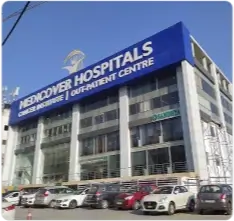
Our Hospitals Near You



Popular Searches
Frequently Asked Questions
Early signs of Angiokeratoma include small, dark red or blue raised spots on the skin, typically found on the lower body and groin area. These spots may bleed or become itchy over time, requiring medical evaluation.
To manage Angiokeratoma and prevent worsening, options include laser therapy, cryotherapy, and topical treatments. Regular monitoring by a dermatologist is crucial. Consult a healthcare provider for personalized care.
Angiokeratoma is commonly associated with conditions like Fabry disease, a genetic disorder affecting the kidneys and heart. Early detection and management of these co-existing conditions are crucial for comprehensive care.
Specialists offer treatments for Angiokeratoma that may include laser therapy, cryotherapy, or surgical excision. These procedures aim to remove or reduce the appearance of the benign skin lesions caused by this condition.


Feeling unwell?
Request a callback!
