 040 68334455
 WhatsApp
 Patient Portal
 Home Care
Best Acrodermatitis Chronica Atrophicans Doctors in India

Dr Varsha Rangari

Dr Chetana Panabaka

Dr B Vijaya Sree

Dr Koppisetti Satya Naga Ravi Teja

Dr Divya Manchala

Dr Rajitha Alluri

Dr Bhushan Jairam Telhure

Dr Anusha Nagral Reddy

Dr Manali Wanare Rojekar
Importance of Acrodermatitis Chronica Atrophicans Specialist in Treatment
The significance of specialization in treating acrodermatitis chronica atrophicans is paramount due to its connection with Lyme disease and the chronic skin changes that can occur if left untreated. This condition manifests with skin atrophy and can lead to significant aesthetic and functional concerns. Specialists in dermatology and infectious diseases have the expertise necessary to accurately diagnose this condition through clinical evaluation and serological tests. Early recognition and intervention are crucial for managing symptoms effectively and preventing further complications. Treatment may involve antibiotic therapy to address the underlying Lyme disease and topical treatments to alleviate skin symptoms. Moreover, specialists provide essential education on Lyme disease prevention and skin care routines, empowering patients to manage their condition proactively. Seeking specialized care for acrodermatitis chronica atrophicans is vital for ensuring comprehensive management and optimal health outcomes.
Why to Choose Acrodermatitis Chronica Atrophicans Specialists at Medicover Hospitals in India
At Medicover Hospitals, our specialists for acrodermatitis chronica atrophicans offer expert care tailored to the unique needs of each patient. Our experienced dermatologists work closely with infectious disease specialists to develop individualized treatment plans that target both the skin condition and its underlying causes. We utilize advanced diagnostic tools to ensure accurate assessment and timely intervention. Patient education is a cornerstone of our approach, as our specialists provide valuable information on Lyme disease prevention and skin health management strategies. Additionally, we prioritize a compassionate and supportive environment where patients can openly discuss their concerns and treatment preferences. Ongoing follow-up care is integral to our services, allowing us to monitor patient progress and adjust treatment plans as necessary. By choosing Medicover Hospitals, patients benefit from a multidisciplinary approach that emphasizes quality care, empowering them to achieve better health and wellness outcomes.

Why Choose Our Doctors?
- Our doctors are experts in their fields and have years of experience.
- We provide top-tier medical infrastructure and technology.
- Easy booking options for both virtual and in-person consultations.
- Insurance & Cashless Payment Support
- Emergency & 24/7 Care
- Compassionate & Patient-Centered Approach
- Multi-Disciplinary Expertise (Collaboration between specialists ensures comprehensive treatment plans).
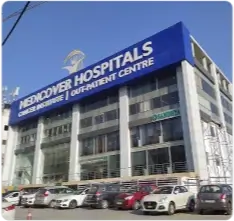
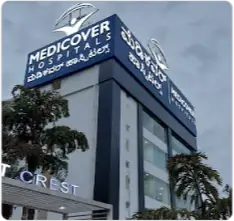
Our Hospitals Near You


Popular Searches
Frequently Asked Questions
Common symptoms of Acrodermatitis Chronica Atrophicans in its early stages include skin redness, swelling, and thinning, often affecting the hands and feet. Consult a dermatologist for diagnosis and treatment.
Patients can manage Acrodermatitis Chronica Atrophicans effectively through antibiotic treatment, maintaining good skin care, and regular monitoring.
Doctors managing Acrodermatitis Chronica Atrophicans typically treat related conditions such as joint pain, neurological symptoms, and skin manifestations. These may include arthritis, neuropathy, and skin ulce Rs.
Treatment options for Acrodermatitis Chronica Atrophicans commonly include long-term antibiotics to target the underlying infection, topical treatments for skin manifestations, and in severe cases, supportive therapy to manage complications.


Feeling unwell?
Request a callback!
