 Call
Call Patient Reports
- Cardiology 84
- Dermatology 45
- Endocrinology 33
- ENT 16
- Fertility 190
- Gastroenterology 78
- General-Medicine 81
- Gynecology 80
- Hematology 19
- Infectious-Diseases 33
- Neurology 52
- Oncology 34
- Ophthalmology 23
- Orthopedics 69
- Pediatrics 31
- Procedure 23
- Public-Health 144
- Pulmonology 59
- Radiology 8
- Urology 68
- Wellness 161
- Woman-and-child 77
- 3794
- 3.7 Minute
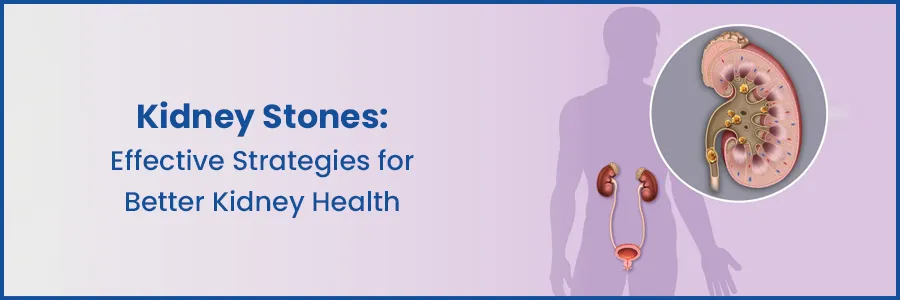
Kidney Stones: Effective Plan for Better Kidney Health
Kidney stones can be excruciatingly painful and disrupt your daily life. These small, hard mineral deposits form in your kidneys and cause intense discomfort as they travel through your urinary tract. While treatment options are available, prevention is always better than cure.
Adopting effective strategies can significantly reduce your risk of developing these painful formations. In this article, we'll explore proactive measures to help you enjoy better kidney health.
Get a second opinion from trusted experts and makeconfident, informed decisions.
Get Second OpinionNot sure where to start?
Talk to a patient care advisor — free, confidential, 24/7. We'll match you to the right specialist and book your appointment in minutes.
Understanding Kidney Stones
- Kidney stones are solid aggregates of minerals and salts that crystallize in your urinary tract.
- They can range in size from as small as a grain of sand to as large as a marble.
- These stones can cause severe pain, nausea, and vomiting, and lead to complications if not addressed promptly.
Effective Strategies for Prevention
Hydration is Key
- Drink enough water to reduce the concentration of minerals in your urine.
- Aim for at least eight glasses (2 liters) of water daily.
- Adjust your intake based on weather and activity levels.
Watch Your Diet
- Limit high-oxalate foods such as spinach, beets, chocolate, and nuts.
- Reduce salt and processed foods to prevent excessive calcium buildup in your urine.
- Opt for a balanced diet rich in fruits, vegetables, and whole grains.
Increase Calcium Intake Wisely
- Consuming dietary calcium helps prevent kidney stones by binding to oxalates in your digestive tract.
- Choose calcium-rich foods like low-fat dairy products, fortified plant-based milk, and leafy greens.
Choose Lean Proteins
- High animal protein diets can increase uric acid and calcium excretion.
- Incorporate lean protein sources such as fish, poultry, tofu, and legumes.
- Reduce consumption of red meat and processed meats.
Moderate Oxalate Intake
- Moderation is key with high-oxalate foods.
- Cooking or steaming oxalate-rich vegetables can reduce their oxalate content.
- Pair these foods with calcium-rich options to minimize oxalate absorption.
Stay Active
- Regular exercise promotes good weight management and reduces certain urine constituents that lead to kidney stones.
- Activities like walking, swimming, and yoga are beneficial for kidney health.
Limit Soda and Sugary Beverages
- Sugary drinks, including sodas and certain fruit juices, increase kidney stone risk.
- High fructose content can elevate uric acid levels and contribute to stone formation.
- Opt for water, herbal teas, and natural fruit-infused water.
Monitor Medications
- Some medications and supplements may increase your risk of kidney stones.
- Discuss your medications with your healthcare provider if you're prone to stone formation.
- Adjust your regimen as necessary under professional guidance.
Conclusion
Implementing these effective strategies can significantly lower your risk of developing kidney stones and improve kidney health. Consistency and dedication in making mindful choices about diet, hydration, and lifestyle are key. Consult a healthcare professional for personalized guidance tailored to your needs.
Medicover Hospital specializes in treating kidney stones through its advanced urology department, personalized treatment approaches, and patient-centered care.
Your health is everything - prioritize your well-being today.
Schedule Your AppointmentFrequently Asked Questions
Solid masses made of minerals and salts called kidney stones form in the kidneys. As they pass through the urinary tract, they can come in a variety of sizes and cause excruciating agony. When minerals and other chemicals in urine crystallize and clump together to create hard deposits, kidney stones are the result.
Staying hydrated is crucial in preventing kidney stones. Drinking an adequate amount of water helps dilute the minerals and salts in urine, reducing the likelihood of crystal formation. To maintain healthy kidneys, it is advised to consume at least 8 glasses (or 2 liters) of water per day.
Yes, specific foods can aid in the development of kidney stones. Oxalate-rich foods including spinach, beets, and almonds can raise the risk. Additionally, a diet high in salt and animal proteins can lead to higher levels of minerals in the urine that can contribute to stone development.
No, dietary calcium can actually be beneficial for preventing kidney stones. In the gastrointestinal system, calcium binds to oxalates, decreasing their absorption into the bloodstream. However, it's important to choose calcium sources wisely, such as low-fat dairy products and fortified plant-based milk, while limiting supplements.
Yes, regular physical activity can aid in kidney stone prevention. Exercise helps maintain a healthy weight and can reduce the levels of substances in urine that contribute to stone formation. Aim for moderate exercise most days of the week to support your kidney health.
Yes, sugary beverages like sodas and certain fruit juices can increase the risk of kidney stones. These drinks often contain high levels of fructose, which can lead to elevated uric acid levels and contribute to stone formation. Opt for water and natural, low-sugar beverages instead.
Yes, some medications and supplements can increase the risk of kidney stone formation.It's crucial to discuss your medications with a medical practitioner if you're at risk for kidney stones or have a history of them. They can provide guidance on adjusting your medication regimen if necessary.
Yes, children can develop kidney stones, though it's less common than in adults. Prevention strategies generally align with those for adults, focusing on hydration, a balanced diet, and maintaining a healthy lifestyle. However, pediatric cases require specialized medical attention and care.
- Cardiology
- Case Studies
- Dermatology
- Endocrinology
- ENT
- Fertility
- Gastroenterology
- General
- General-Medicine
- Gynecology
- Hematology
- Infectious-Diseases
- Medical News
- Neurology
- Oncology
- Ophthalmology
- Orthopedics
- Pediatrics
- Procedure
- Public-Health
- Pulmonology
- Radiology
- Second Opinion
- Urology
- Wellness
- Woman-and-child
Related Blogs
Still have questions? Speak with our experts now!
040-68334455


