 Call
Call Patient Reports
- Cardiology 84
- Dermatology 45
- Endocrinology 33
- ENT 16
- Fertility 190
- Gastroenterology 78
- General-Medicine 81
- Gynecology 80
- Hematology 19
- Infectious-Diseases 33
- Neurology 52
- Oncology 34
- Ophthalmology 23
- Orthopedics 69
- Pediatrics 31
- Procedure 23
- Public-Health 144
- Pulmonology 59
- Radiology 8
- Urology 68
- Wellness 161
- Woman-and-child 77
- 3823
- 3.6 Minute
Body Parts That are Affected By DVT Symptoms and Causes
Deep Venous Thrombosis (DVT) is a severe scientific condition that happens even as a blood clot bureaucracy in a single or extra of the deep veins within the body, usually in the Lower legs. Pulmonary embolism is when a blood clot in a leg vein breaks off and travels via the frame to the lungs, where it becomes lodged and blocks blood flow.
What is Deep Vein Thrombosis Therapy?
Timely and appropriate therapy is vital for dealing with DVT. Treatment can also consist of anticoagulant medications to save the clot from developing and to lessen the risk of headaches.
In some instances, more excellent invasive procedures, inclusive of a thrombolytic remedy or the placement of a vena cava clearout, may be essential. It is necessary to observe the prescribed treatment plan and attend ordinary compliance appointments to monitor development.
Get a second opinion from trusted experts and makeconfident, informed decisions.
Get Second OpinionNot sure where to start?
Talk to a patient care advisor — free, confidential, 24/7. We'll match you to the right specialist and book your appointment in minutes.
Deep Vein Thrombosis (DVT) is Caused by Various Factors
- Prolonged Immobility: Sitting for long periods, such as during long flights or car rides, can slow blood flow in the legs, increasing the risk of clot formation.
- Surgery and Injury: Surgical procedures, especially those involving the lower extremities, and injuries can damage blood vessels and lead to clotting.
- Medical Conditions: Certain conditions like cancer, heart disease, and inflammatory bowel disease can increase the risk of DVT.
- Hormone Therapy and Birth Control: Estrogen-containing medications, including birth control pills and hormone replacement therapy, can increase the risk of blood clots.
- Genetic Factors: Inherited blood-clotting disorders can increase the likelihood of developing DVT.
- Pregnancy: The increased pressure on veins in the pelvis and legs during pregnancy can slow blood flow and lead to clot formation.
- Obesity: Excess weight can put pressure on veins in the legs and pelvis, increasing the risk of clot formation.
- Age: The risk of DVT increases with age, particularly after age 60.
- Smoking: Smoking affects blood clotting and circulation, increasing the risk of DVT.
Managing risk factors and maintaining an active lifestyle can help reduce the risk of developing DVT.
Deep Vein Thrombosis Types
Following are the two types of deep vein thrombosis
- Acute DVT
- Chronic DVT
DVT Symptoms and Warning Signs
DVT maximum usually influences enormous veins within the thigh and lower leg, generally on one aspect of the body. If the clot obstructs blood float, it will bring about:
- Swollen veins that are painful to touch
- Red or darkish skin surrounding the painful region
- Throbbing pain inside the leg
- Pain or tenderness when standing and walking
Your health is everything - prioritize your well-being today.
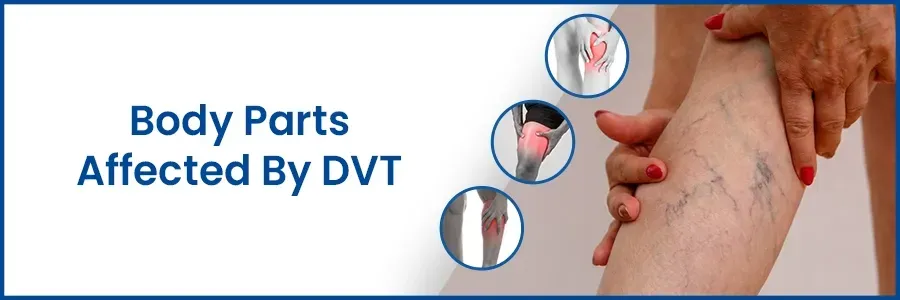
Schedule Your AppointmentBody Parts Affected By Deep Vein Thrombosis
Symptoms Inside the Foot
The Foot is one of the regions that can be laid low with DVT. Individuals with DVT may additionally experience symptoms inclusive of swelling, aches, and tenderness inside the affected Foot. In a few cases, the skin on the Foot may further seem discolored or sense heat to the touch.
Symptoms in the Knee
DVT also can affect the knee vicinity. Symptoms in this region may additionally encompass aches, swelling, and a sense of heaviness. Individuals may additionally have issues bending or moving the Knee because of the clot affecting blood float. If you enjoy continued knee pain or swelling, it's beneficial to be looking for clinical interest to rule out DVT.
Symptoms within the Leg
The most common website for DVT is within the deep veins of the Leg. Symptoms in the Leg may additionally appear as swelling, warm temperature, redness, and aches.
The affected Leg can also feel heavy or achy, and the pain can also intensify whilst standing or strolling. If you study these signs and symptoms, it's vital to visit a healthcare professional directly.
Symptoms in the Thigh
DVT can expand into the Thigh, causing signs and symptoms consisting of excessive aches, swelling, and tenderness. In some cases, the pain may be followed by means of discolouration of the pores and skin.
Thigh involvement in DVT requires on-the-spot clinical attention as the chance of headaches, inclusive of a doubtlessly fatal circumstance called pulmonary embolism, increases.
Conclusion
Recognizing DVT and its symptoms in one-of-a-kind frame components is critical for early intervention. If you enjoy chronic pain, swelling, or other characteristics in your Foot, Knee, Leg, or Thigh, seek advice from a healthcare expert promptly.
Deep Vein Thrombosis is a critical circumstance; however, with a timed and suitable remedy, the diagnosis can be appreciably stepped forward, decreasing the risk of extreme complications.
Frequently Asked Questions
Complications of DVT can vary based on where the clot forms. For example, leg DVT can lead to pulmonary embolism if the clot travels to the lungs, while arm DVT may affect blood flow and cause discomfort.
DVT in different body parts, if not treated promptly, can lead to chronic complications such as post-thrombotic syndrome or recurrent blood clots.
Preventive measures include staying active, maintaining a healthy weight, avoiding prolonged immobility, wearing compression stockings during travel or recovery from surgery, and following prescribed medical therapies.
Yes, DVT in any part of the body can potentially lead to pulmonary embolism if a clot breaks loose and travels to the lungs. This risk highlights the importance of timely diagnosis and management.
DVT in the upper body, especially in the veins leading to the heart, can potentially affect heart function if clots travel to the pulmonary arteries, causing pulmonary embolism and strain on the heart.
Yes, certain genetic factors can predispose individuals to develop DVT, affecting veins in different body parts based on familial patterns and inherited conditions related to blood clotting disorders.
- Cardiology
- Case Studies
- Dermatology
- Endocrinology
- ENT
- Fertility
- Gastroenterology
- General
- General-Medicine
- Gynecology
- Hematology
- Infectious-Diseases
- Medical News
- Neurology
- Oncology
- Ophthalmology
- Orthopedics
- Pediatrics
- Procedure
- Public-Health
- Pulmonology
- Radiology
- Second Opinion
- Urology
- Wellness
- Woman-and-child
Related Blogs
Still have questions? Speak with our experts now!
040-68334455


