 Call
Call Patient Reports
Table of Contents
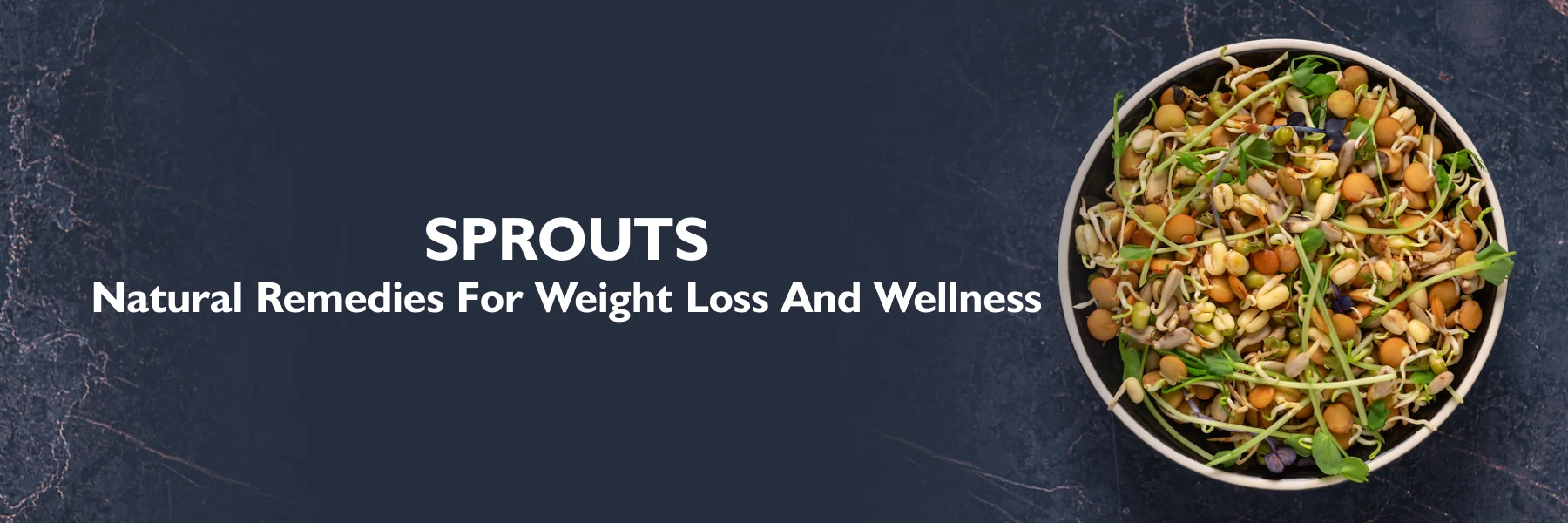
Benefits of Sprouts: Nutrition and Health Benefits


Sprouts are young plants that are harvested shortly after their seeds begin to germinate. They are commonly added to salads, sandwiches, soups, and other dishes for their fresh taste and nutritional value. Sprouts are rich in essential nutrients such as protein, fiber, vitamins, minerals, and antioxidants. Their nutrient content and potential health benefits make them a popular addition to a balanced diet. Regularly including sprouts in your meals may support digestion, heart health, weight management, and overall wellness.
What Are Sprouts?
Sprouts are seeds that have germinated and become plants that are very young. Typically, this process of germination starts with the seeds being soaked for several hours. The soaked seeds are then subjected to the correct temperature and humidity combination and allowed to grow for two to seven days.
A sprout measuring 1/8-2 inches (2-5 cm) long is usually the end product.
Many different types of seeds can be sprouted. Here is a list of the most prevalent forms of sprouts on the market:
- Bean and Pea Sprouts: Such as lentils, adzuki, garbanzo, soybeans, mung beans, black beans, kidney beans, green peas, and sprouts of snow peas.
- Sprouted Grains: Brown rice, buckwheat, amaranth, Kamut, oat sprouts, and quinoa.
- Vegetable or Leafy Sprouts: Such as radish, broccoli, beet, mustard green, clover, cress, and fenugreek sprouts.
- Nut and Seed Sprouts: Such as almond, radish seed, alfalfa seed, pumpkin seed, sesame seed, or sunflower seed sprouts.
Sprouts are normally eaten raw, but before you consume them, they may also be lightly fried.
Sprouts Are Very Nutritious
Sprouts are a rich source of nutrients and beneficial plant compounds, despite being low in calories. Based on the variety, their vitamin and mineral content varies.
In general, however, the sprouting process raises nutritional levels, rendering sprouts richer than unsprouted plants in protein, folate, magnesium, phosphorus, manganese, and vitamins C and K.
Several studies indicate, that sprouting helps increase the quality of protein. Sprouts also appear to have higher levels of essential amino acids, with some individual amino acids rising by up to 30%.
Furthermore, it may also be easier to absorb the proteins in sprouts. This is possibly due to the sprouting process, which tends to reduce by up to 87 per cent the amount of antinutrients, compounds that decrease the capacity of your body to absorb nutrients from the plant.
Get a second opinion from trusted experts and makeconfident, informed decisions.
Get Second OpinionNot sure where to start?
Talk to a patient care advisor — free, confidential, 24/7. We'll match you to the right specialist and book your appointment in minutes.
Benefits of Sprouts
Control Blood Sugar Levels
Sprouts can also encourage you to keep your blood sugar in check.,br>Some reports suggest this may be partly because the total amount of carbs in sprouts tends to be decreased by sprouting.
Another hypothesis is that sprouts could be more capable of regulating the function of the amylase enzyme used by the body to efficiently break down and digest sugars.
Improve Digestion
Sprouts can help you more easily digest your foods.
The amount of fibre they produce increases and becomes more usable when seeds are sprouted.
For five days, grains permitted to sprout contained up to 133% more fibre than unsprouted grains.
There are lower concentrations of antinutrients in sprouted beans, grains, vegetables, nuts, and seeds than in their unsprouted counterparts. This helps the body to consume nutrients more quickly during digestion.
The amount of insoluble fiber, a type of fibre that helps to shape stools and pass them through the gut, appears to increase, reducing the risk of constipation.
Improve Heart Health
It may also have benefits for your heart to include sprouts in your daily diet.
This is mainly because sprouts can decrease risk factors, such as high blood cholesterol levels, for heart disease.
Eating sprouts will increase "good" HDL test cholesterol and decrease the total and "bad" levels of LDL cholesterol.
Similar to those resulting from taking the cholesterol-lowering drug atorvastatin, sprouts may benefit from blood cholesterol improvements.
How to Include Sprouts in Your Diet
Sprouts can be consumed in many ways and are easily integrated into many dishes. For example, in a sandwich or tossed in a salad, you can eat them raw.
Sprouts, such as rice dishes, stir-fries, omelettes, soups, or freshly made burger patties, are also easy to add to warm meals.
Mixing them into smoothies and pancake batters, or grinding them into a paste to spread on toast, crackers or vegetables, are other interesting uses for sprouts.
Summary
Sprouts are highly nutritious. A variety of health benefits can also be offered, including better digestion, improved blood sugar levels, and a lower risk of heart disease.
Bear in mind, however, that they are often associated with a risk of food poisoning.
That said, the benefits of consuming raw or lightly cooked sprouts are likely to outweigh the risks for the majority of healthy individuals.
Your health is everything - prioritize your well-being today.
Schedule Your AppointmentFrequently Asked Questions
1. What is the best time to eat sprouts?
These fibrous food products help with smooth digestion and, if consumed at night, also help decrease cholesterol levels. Mornings are the worst time to eat them. For breakfast, stop consuming sprouts, etc., as it could increase your appetite and encourage you to eat more during the day.
2. Can we eat sprouts daily for weight loss?
When attempting to lose weight, protein-rich, easy-to-make sprouts are highly recommended. Sprouts have fewer calories and are a good source of nutrition. You can feel fuller and decrease your appetite by eating a bowl of sprouts between your meals, which is very helpful when attempting to shed kilos.
3. Why is eating sprouts dangerous?
Like any fresh produce eaten raw or lightly cooked, sprouts may carry a risk of foodborne illness as they are contaminated The wet, moist conditions needed to grow sprouts are perfect for the rapid growth of bacteria, including salmonella, listeria, and other fresh produce.
4. Will sprouts cause gas?
Certain vegetables are known to cause excess gas, such as Brussels sprouts, broccoli, cabbage, asparagus, and cauliflower. Like beans, these vegetables also produce raffinose, a complex sugar.
5. Does eating sprouts help in weight loss?
Sprouts are one of the best foods for weight loss. They are rich in nutrients but have zero calories, which ensures that without thinking about the weighing scale, you can eat sprouts. Also, sprouts contain a significant amount of fiber, helping you feel complete for a longer period of time.
6. Are sprouts good for hair growth?
There is sufficient vitamin C in sprouts, which is known to promote hair growth. It kills all the free radicals that make hair brittle in the body. It also eliminates a number of hair conditions such as alopecia, hirsutism, and guarantees healthy hair.
- Cardiology
- Case Studies
- Dermatology
- Endocrinology
- ENT
- Fertility
- Gastroenterology
- General
- General-Medicine
- Gynecology
- Hematology
- Infectious-Diseases
- Medical News
- Neurology
- Oncology
- Ophthalmology
- Orthopedics
- Pediatrics
- Procedure
- Public-Health
- Pulmonology
- Radiology
- Second Opinion
- Urology
- Wellness
- Woman-and-child
Related Blogs


