 Call
Call Patient Reports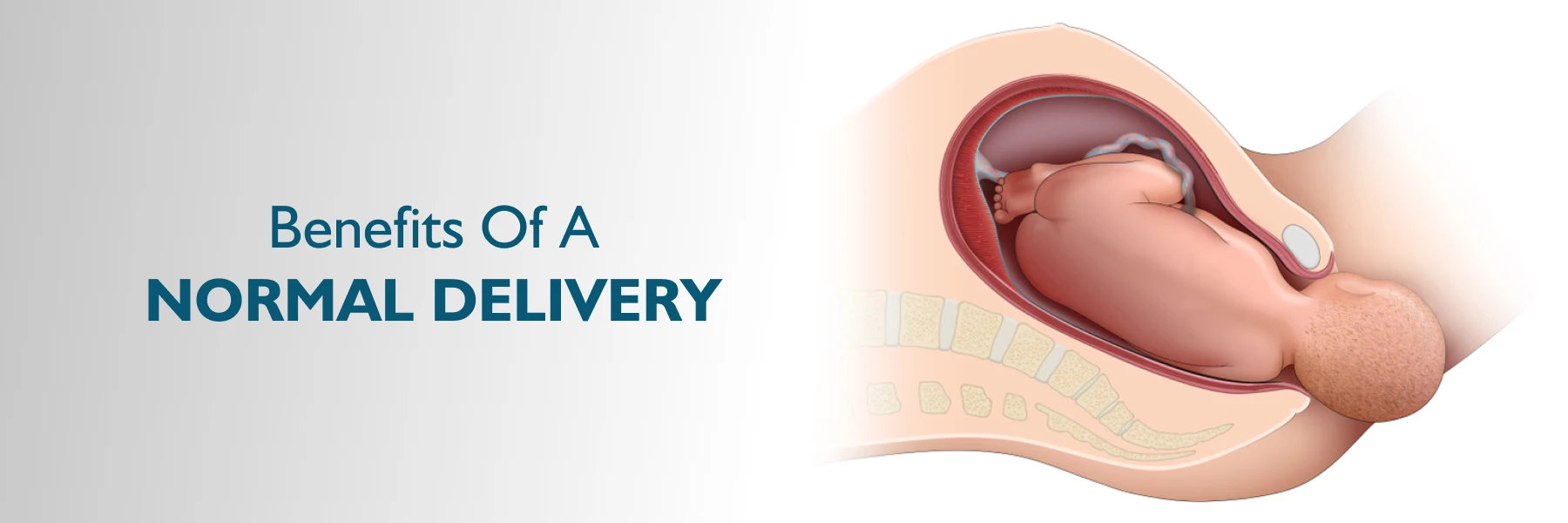
- 3759
- 3.5 Minute
Written by Medicover Team and Medically Reviewed by Dr Akhila Lalam
Benefits of Normal Delivery Over C-Section: A Complete Guide
Normal delivery, also known as vaginal birth, is the natural and traditional method of childbirth. It is often preferred over caesarean (C-section) delivery for various medical and personal reasons. From quicker recovery to lower risk of complications, the benefits of normal delivery are numerous for both mother and baby. In this article, we’ll explore the importance of natural birth, the symptoms of normal delivery, the process, and why natural delivery is often recommended over C-sections.
Signs of Normal Delivery
Recognizing the signs of normal delivery can help mothers prepare physically and emotionally. These symptoms indicate that labor is approaching or has begun:
- The baby “drops” deeper into the pelvis (lightening).
- Increased urge to urinate.
- Passing of the mucus plug (a blood-tinged vaginal discharge).
- Cervical dilation and effacement.
- Cramps and lower back pain.
- Loose joints due to hormonal changes.
- Diarrhea and gastrointestinal changes.
- Slight weight loss before delivery.
- Fatigue or a sudden burst of energy (nesting instinct).
Get a second opinion from trusted experts and makeconfident, informed decisions.
Get Second OpinionNot sure where to start?
Talk to a patient care advisor — free, confidential, 24/7. We'll match you to the right specialist and book your appointment in minutes.
Normal Delivery Week
Most normal deliveries occur between 37 and 42 weeks of pregnancy. This is considered full-term, and during this time, the baby is usually fully developed and ready for life outside the womb.
Normal Delivery Symptoms
Some common normal delivery symptoms that indicate labor is near include:
- Regular and increasing contractions.
- Back pain that doesn't go away.
- Increased vaginal discharge or bleeding.
- Pressure in the pelvis or lower abdomen.
- Rupture of the amniotic sac (water breaking).
Normal Delivery Process
The normal delivery process typically involves three main stages:
- Labor Phase (Dilation): Contractions begin, and the cervix dilates to 10 cm.
- Pushing Phase: The baby moves down the birth canal, and the mother pushes during contractions.
- Delivery of Placenta: After the baby is born, the placenta is expelled.
Benefits of Normal Delivery Over C-Section
Let’s explore why normal delivery is often the preferred method over a C-section:
1. Baby Receives the Beneficial Bacteria
During vaginal birth, the baby passes through the birth canal and is exposed to beneficial bacteria. These bacteria boost the baby's gut health and immune system, protecting against infections.
2. Reduced Breathing Problems
Babies born through vaginal delivery often have fewer breathing issues. The natural squeezing through the birth canal helps expel amniotic fluid from the lungs, reducing the risk of respiratory distress.
3. Early Breastfeeding
After natural birth, mothers can usually initiate breastfeeding immediately. This allows the baby to receive colostrum, a nutrient-rich first milk packed with immunoglobulins and proteins.
4. No Risk for the Next Child
A successful normal delivery increases the chances of natural delivery in future pregnancies. This lowers the risks associated with repeat C-sections such as uterine rupture or placenta issues.
5. Reduces the Risk of Infertility Problems
Studies have shown that women who undergo normal delivery have a lower risk of facing fertility problems in future, compared to those who have multiple C-sections.
6. Less Surgical Complications
C-sections are major surgeries and come with risks like blood loss, infections, blood clots, and a longer recovery time. Normal delivery avoids these risks and promotes natural healing.
7. Cost-Effective Procedure
A normal delivery is significantly less expensive than a C-section. It involves fewer hospital resources and shorter stays, making it more accessible and affordable.
8. Quicker Recovery
Post-delivery recovery is much faster with vaginal delivery. Most women can resume normal activities within a few days and experience less discomfort than those recovering from surgery.
9. Fast Labour
The natural labor process helps engage the baby and involves the mother actively, making labor faster and smoother than surgical procedures.
10. Develops Feelings of Connection
Mothers who undergo natural delivery often feel a stronger emotional connection with their baby. The alertness and hormonal surges enhance the bonding experience.
The Importance of Natural Birth
Opting for a natural birth supports physical, emotional, and financial well-being. It empowers mothers, promotes a healthier start for the baby, and reduces the likelihood of complications. While C-sections are sometimes medically necessary, promoting normal delivery where possible can lead to better outcomes for both mother and child.
Your health is everything - prioritize your well-being today.
Schedule Your AppointmentConclusion
The benefits of normal delivery make it the preferred method of childbirth in uncomplicated pregnancies. From faster recovery and better immune protection for the baby to lower costs and reduced surgical risks, vaginal birth offers numerous advantages. Understanding the signs of normal delivery and being informed about the delivery process helps expectant mothers make confident choices on their journey to motherhood.
Always consult with a healthcare provider to determine the safest delivery method for your individual circumstances.
Frequently Asked Questions
Labor pain during normal delivery can be intense but is temporary and natural. C-sections involve surgical pain and longer recovery time, which may include postoperative discomfort and movement restrictions.
Not all women are eligible for normal delivery. Factors such as fetal position, maternal health conditions, and complications during pregnancy may require a C-section for safety.
Yes, normal delivery is generally safe for both the mother and the baby when there are no medical complications. It also provides benefits like improved lung function and immune protection from beneficial bacteria.
Most women recover from a normal delivery within 2–6 weeks, depending on their physical condition and any complications like tearing or episiotomy.
In some cases, Vaginal Birth After Cesarean (VBAC) is possible, but it depends on the reason for the first C-section and other pregnancy-related factors. Always consult with your obstetrician.
Normal delivery is less likely to affect future fertility compared to repeated C-sections, which may cause uterine scarring or other complications.
- Cardiology
- Case Studies
- Dermatology
- Endocrinology
- ENT
- Fertility
- Gastroenterology
- General
- General-Medicine
- Gynecology
- Hematology
- Infectious-Diseases
- Medical News
- Neurology
- Oncology
- Ophthalmology
- Orthopedics
- Pediatrics
- Procedure
- Public-Health
- Pulmonology
- Radiology
- Second Opinion
- Urology
- Wellness
- Woman-and-child
Related Blogs
Still have questions? Speak with our experts now!
040-68334455


